



How to Choose Luxury Bath Products in 2026 | Complete Buyer’s Guide

Introduction: Why Bath Products Define Brand Experience in 2026
In the modern hospitality and premium living industry, Bath Products have moved beyond secondary purchase decisions. They now serve as essential elements in brand positioning, guest satisfaction, and operational performance. Whether at a five-star resort, boutique hotel, wellness spa, or luxury serviced residence, the post-shower experience shapes customer perception significantly.
Guests quickly notice towel softness, robe weight, bath mat absorbency, and overall bath setup presentation. These subtle sensory cues impact online reviews, repeat visits, and brand trust. By 2026, buyers seek more than comfort. They want durability, sustainability, hygiene compliance, and long-term value.
Luxury bath essentials are strategic investments, not mere expenses.
Understanding Towel Quality: GSM, Yarn Structure and Performance Standards
Selecting towels for luxury or commercial use relies heavily on GSM (grams per square meter). GSM measures fabric density, which affects absorbency, softness, and durability.
Towels with 400–500 GSM are lighter and dry quickly, ideal for high-turnover hotels. Towels around 500–600 GSM balance luxury with operational efficiency. Many premium hospitality setups prefer 600+ GSM for enhanced plushness and guest delight.
Yet, GSM alone does not define quality. Yarn type influences long-term performance. Towels made from 100% ring-spun or combed cotton offer superior softness and structure. Features like double-stitched hems, reinforced edges, and dense loops increase durability during frequent washes.
For commercial environments, towels must endure 100+ industrial washing cycles without shrinking or fading.
Commercial-Grade Bathrobes: Balancing Comfort and Brand Presentation
Bathrobes serve both functional and branding needs. They convey luxury, hygiene, and thoughtful service in hospitality settings. Quality robes boost guest comfort and premium positioning.
Terry cotton bathrobes provide excellent absorbency and suit spas and resorts. Waffle weave robes are lightweight and breathable, perfect for warm climates. Collar design, stitching strength, and shrink resistance extend usability.
Commercial robes retain shape, softness, and structure after repeated laundering. Reinforced seams and pre-shrunk fabric lower maintenance costs and ensure consistent quality.
Customization options like embroidery further enhance brand identity, especially in upscale locations.
The Role of Bath Mats in Safety and Hygiene
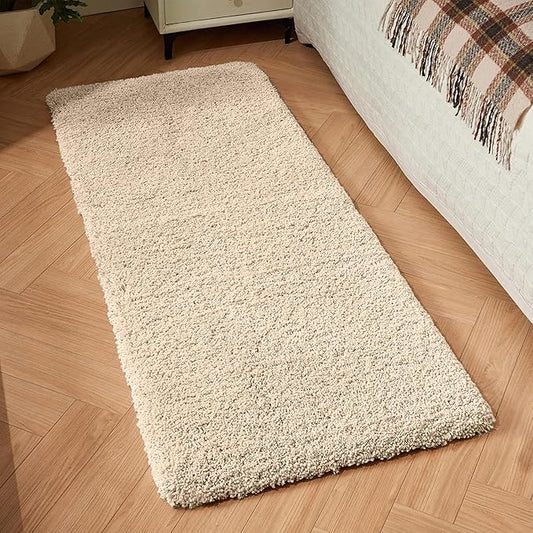
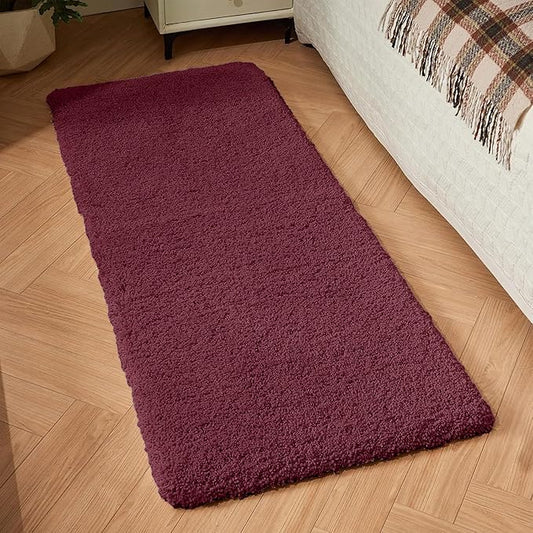
Bath mats are often overlooked but vital for safety and presentation. A premium bath mat must combine high absorbency with sturdy structure. Quick drying is essential to uphold hygiene in commercial spaces.
Quality mats preserve shape after many washes and resist excessive fiber shedding. Their texture and color coordination with towels and robes enhance bathroom aesthetics.
Spas and wellness centers benefit from premium mats that reinforce cleanliness and comfort, boosting guest satisfaction.
Sustainability and Eco-Conscious Manufacturing in 2026
Sustainability has transcended marketing; it’s a buying standard. Hospitality firms and retail buyers prioritize environmentally responsible textiles.
Organic cotton, OEKO-TEX certification, low-impact dye methods, and water-efficient manufacturing are vital. Eco-conscious bath essentials support environmental goals and boost brand credibility worldwide.
Consumers equate sustainable materials with quality and ethics. Businesses using eco-certified bath products gain market advantages.
Durability, Wash Performance and Long-Term Cost Efficiency
Durability in commercial hospitality correlates with profitability. Towels that lose softness after 20 washes hike replacement costs. High-quality bath textiles sustain absorbency, colorfastness, and strength over time.
Key factors include shrink resistance, color retention, fiber strength, and stitching durability. Always test samples before bulk purchase.
Evaluate total lifecycle costs, not just purchase price. Premium bath products reduce long-term replacement expenses and improve guest satisfaction.
Emerging Bath Product Trends Shaping the Premium Market
The bath textile industry evolves with innovative fabric engineering and design. Quick-drying materials gain favor for efficiency. Antibacterial finishes become standard in wellness-focused venues.
Minimalist palettes like white, ivory, and soft neutrals dominate luxury hospitality. Custom branding with embroidery adds exclusivity.
Advanced manufacturing enhances fiber alignment, softness retention, and moisture absorption.
Staying current with trends secures lasting brand relevance.
Strategic Buying Framework for Hotels and Large Buyers
A structured buying plan yields superior outcomes. First, identify the guest segment. Luxury resorts might prioritize high-GSM plush towels, while business hotels opt for balanced performance styles.
Next, evaluate supplier capacity and quality controls. Consistency in bulk manufacturing remains key.
Then, consider customization offerings and long-term partnership reliability. Reliable supply chains guarantee smooth operations.
Finally, weigh lifecycle costs over unit prices.
Conclusion: Transforming Bath Products into Brand Assets
Bath Products represent comfort, hygiene, durability, and brand value. Selecting premium bath textiles requires grasping fabric quality, construction, sustainability, and performance in 2026.
From high-GSM towels to resilient bathrobes and absorbent mats, each item influences guest perception and long-term cost efficiency. Investing strategically in commercial-grade bath essentials cultivates brand trust, boosting customer satisfaction and operational stability.
Choosing the right manufacturing partner ensures consistency, scalability, and premium brand presentation.